
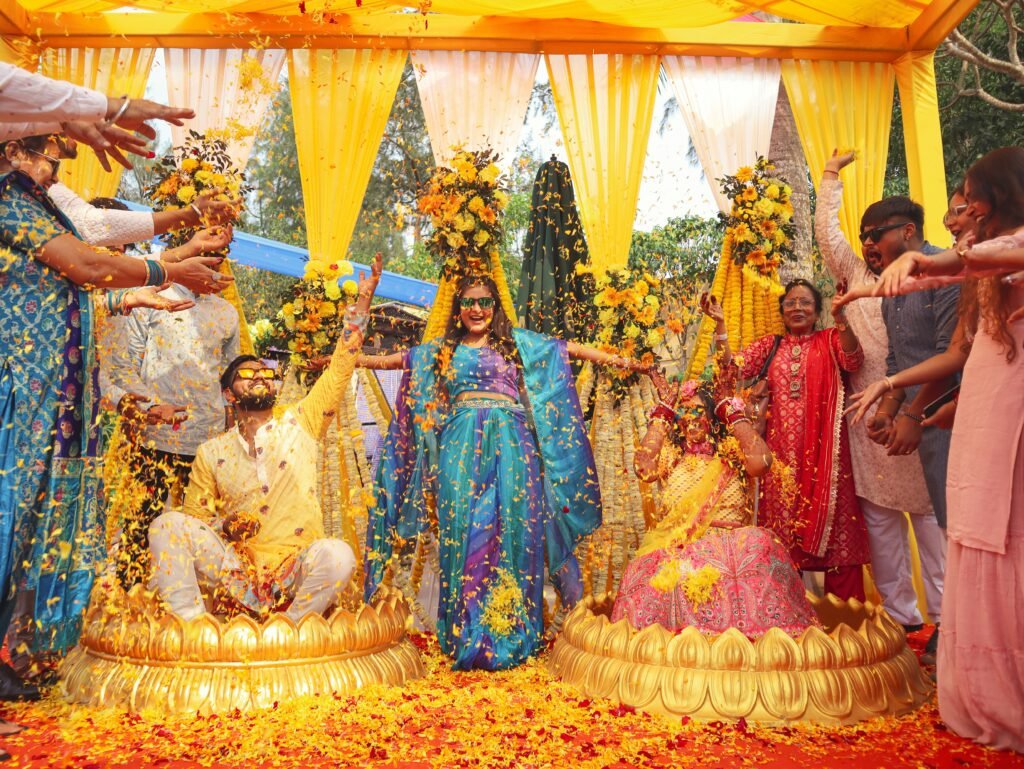
“The Haldi function is one of the most joyful and sacred pre-wedding rituals in Indian weddings, where a paste made of turmeric, sandalwood, and rose water is gently applied to the bride and groom by their family and friends. This ceremony symbolizes purity, protection, and a fresh, glowing beginning as the couple steps into married life. Loved ones gather around with music, traditional songs, and playful laughter, often applying haldi to each other as a sign of affection and bonding. The entire setting is decorated with bright yellow flowers, marigold garlands, and vibrant fabrics that reflect happiness and positivity. The Haldi ceremony not only purifies and beautifies the couple but also strengthens family connections, creating warm memories filled with emotions, blessings, and festive joy.”
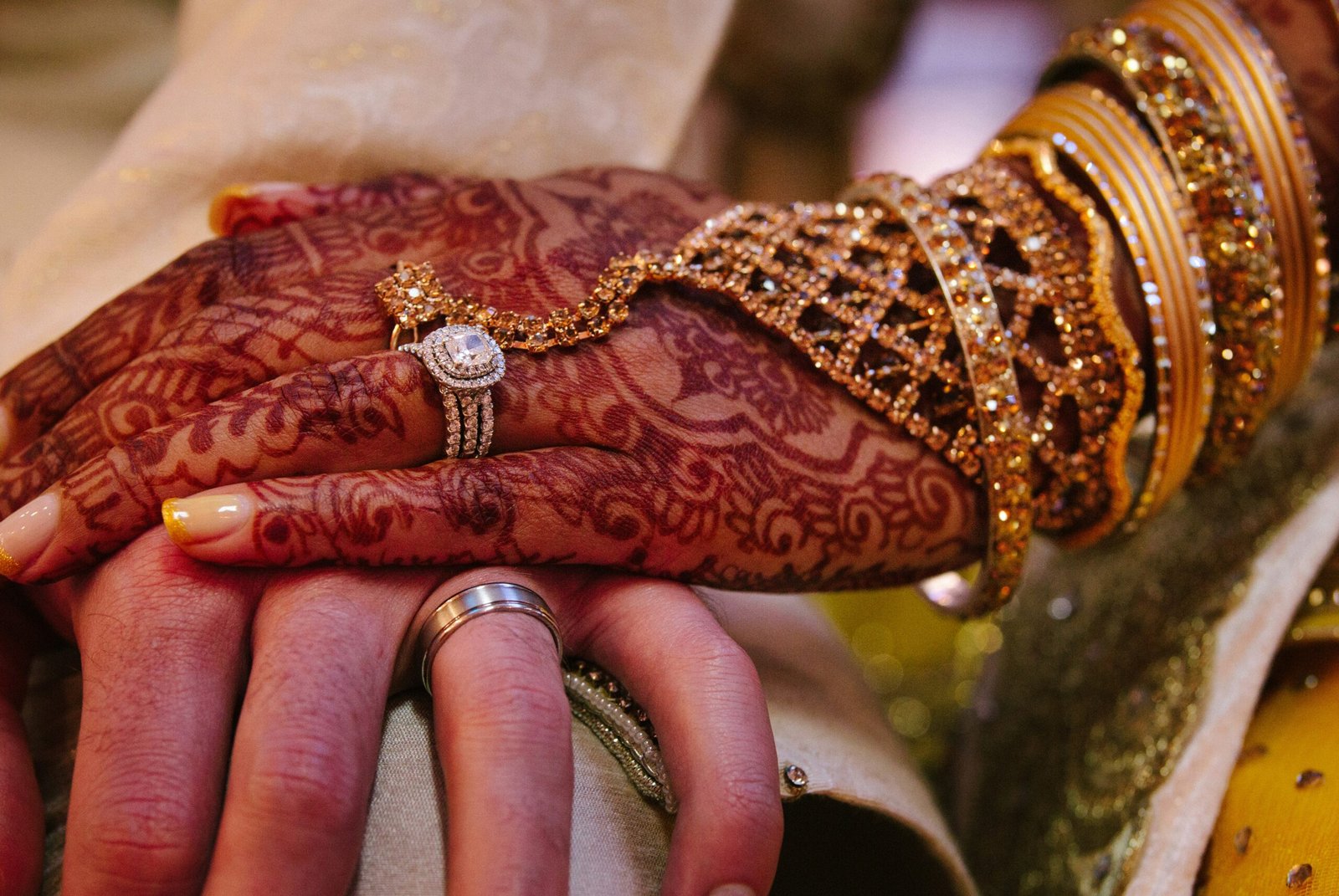
Panigrahanam is one of the most sacred moments in a Hindu wedding, where the groom gently holds the bride’s right hand in front of the sacred fire. This simple act carries deep meaning, symbolizing acceptance, unity, and the beginning of their journey as life partners. By holding her hand, the groom promises to protect, support, and respect her, while the bride accepts him as her companion with trust and love. Performed in the presence of Agni (the holy fire), the ritual signifies that their vows are pure, honest, and blessed by the divine. The Vedic mantras chanted during this moment highlight shared responsibilities, harmony, and mutual respect. Panigrahanam also represents equality, showing that the couple will stand beside each other through every joy and challenge. It marks the emotional and spiritual bonding of two individuals and the joining of two families into one.
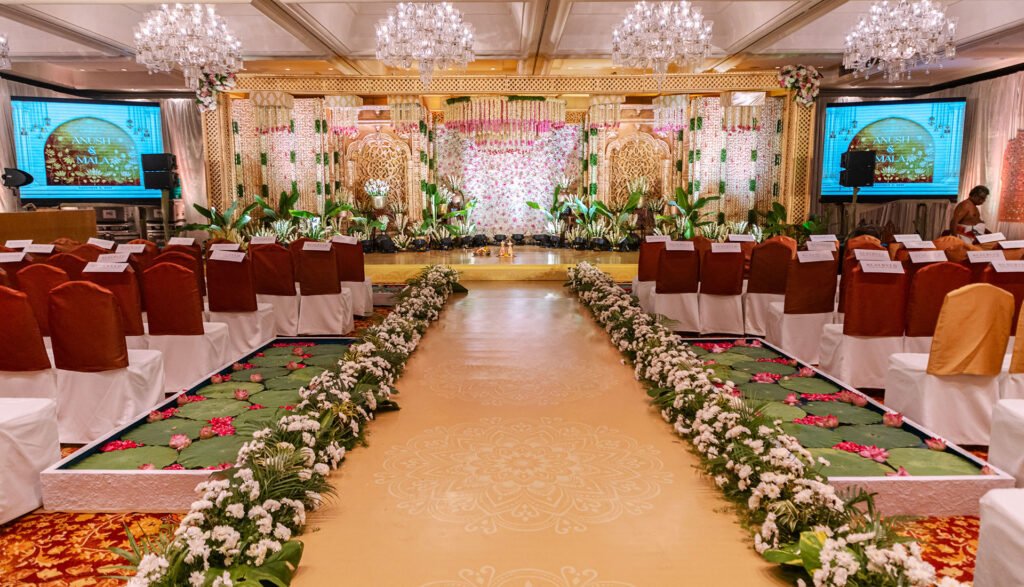
The pelli mandapam is one of the most important parts of a traditional wedding because it is the sacred space where all the main rituals are performed. It represents purity, positive energy, and divine presence, making it the spiritual center of the entire ceremony. The mandapam is decorated with flowers, lights, kalasam, turmeric, and traditional symbols to invite blessings from the gods and ancestors. It is under this mandapam that key rituals like jeelakarra bellam, mangalsutra dharanam, panigrahanam, and saptapadi take place, marking the couple’s union in the presence of family and deities. The structure symbolizes protection and support for the couple as they begin a new chapter of life. For families, the pelli mandapam is also a place of joy, emotion, and cultural pride, reflecting tradition, beauty, and togetherness.